Time is running out for the local voluntary and community sector (VCS) who rely on a UK government funding programme aimed at kick-starting economic growth.
In just over six months’ time the Local Growth Fund is set to replace the UK Shared Prosperity Fund (UKSPF), as announced in Chancellor Rachel Reeves’ spring statement (https://www.nicva.org/article/spring-statement-briefing)
But here, we still don’t know how it’s going to be rolled out and we are just over six months from this funding cliff edge becoming a reality.
There is a distinct lack of information being shared with the sector by the UK Government about what happens next. Groups are living in limbo, struggling to find answers.
The deadline is looming large, and we are ringing the alarm. Decisive action needs to happen now.
Our VCS sector has proven, without a doubt, that we are indispensable in addressing economic inactivity. Over the last two years (2023-2025) the UKSPF funded the work of 15 VCS led organisations who helped nearly 24,000 people move closer to employment.
By providing essential services and support to those further from the workplace, our sector not only fills critical gaps left by statutory services but also serves as a vital safety net for communities.
It is perfectly reasonable to ask that we are given urgent clarity. Jobs and services are on the line.
From this month, VCS organisations may be forced to begin planning for service closures and winding down vital programmes if clarity is not given.
Worse still, this uncertainty leaves thousands of people unclear about what support they can access as they work to improve their lives.
Northern Ireland continues to face some of the highest levels of economic inactivity in the UK.
VCS programmes have consistently shown they can reach people who are often left out of mainstream employment services. This includes young people, people with disabilities, and those socially isolated.
We cannot afford to lose the progress that has already been made. If support is withdrawn or delayed, consequences will be felt widely.
It will put extra pressure on already stretched public services, especially in health and social care, and slow down our wider economic recovery.
Employers and the economy will also feel the impact through lost potential, growing inequality, and missed opportunities to build a more inclusive workforce.
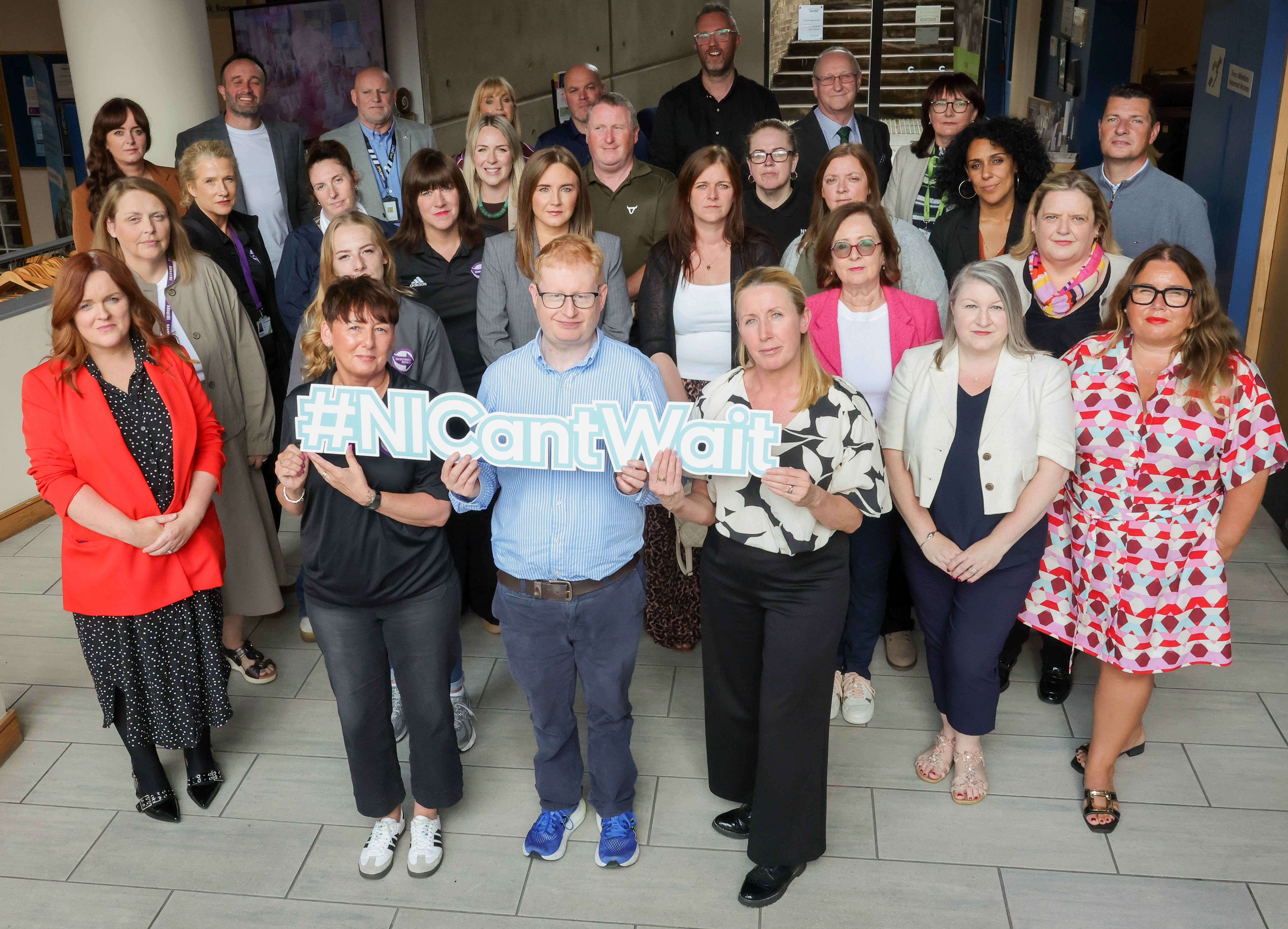
At NICVA we are partnering with the Economic Inactivity Coalition, a network of over 60 organisations, to shine a light on this deeply challenging situation.
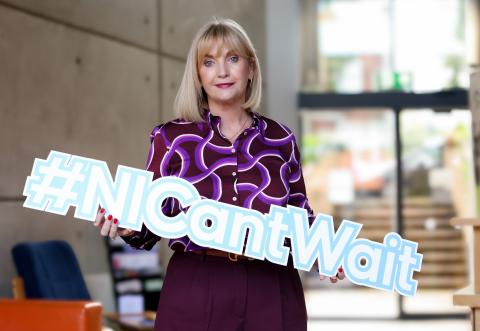
The #NICan’tWait campaign has been created because we are at a critical juncture, and decisions need to be taken now. This includes providing transitional funding to cover 2026/27.
The Department of Finance has already said it wants to lead a co-design process to shape a post-UKSPF programme. We support this plan.
Why make the people and the communities we work with everyday wait? The simple answer is, they shouldn’t have to.
This opinion piece first appeared in The Irish News on 15 September 2025.