
This leaves around 100 organisations with an estimated shortfall of £2 million and will mean people who rely on the vital health services provided by the VCSE sector will be left without this vital support.
One organisation was hit with a cut of over £185,000 and on average organisations are facing a cut of almost £50,000.
Some of the key services affected are things like pregnancy advice services, counselling, child protection training and a range of other health related projects.
This shows the depth and breadth of the contribution the Voluntary and Community Sector makes to the health service in Northern Ireland. Cuts to these vital services will have a huge knock on effect to our already struggling health service.
These are just the latest in a series of cuts to a sector already hit by government cuts across the board, inflationary pressures and the ongoing cost of living crisis.
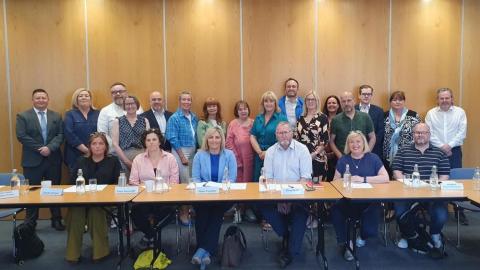
The summit was attended by leaders from the Voluntary, Community and Social Enterprise Sector as well as; Sinn Fein’s Deirdre Hargey, the SDLP’s Claire Hanna, the DUP’s Diane Forsythe, UUP leader Doug Beattie, and Paula Bradshaw from the Alliance Party.
Celine McStravick, Chief Executive of NICVA, said: “The news that the Department of Health core funding is ending in September will come as a hammer blow to organisations who deliver vital services across Northern Ireland.
“However, this meeting is about more than just the latest round of Department of Health cuts, it’s about how our sector is funded overall and how we engage with decision makers to ensure we can continue to deliver for communities everywhere.
“Young people and older people, women, those seeking a way back into employment, those with disabilities and people wanting to access community transport, and those living in poverty – our sector helps everyone, and they are all being affected by budget cuts and funding uncertainty.
“Now is the time to reimagine our relationship with government, we need to switch from funding to investment, and to be recognised as equal partners in delivering on the promise of Northern Ireland”.
Valerie McConville, chief executive of CO3 a body which represents the leaders of community and voluntary organisations, said that the recent cut to the Department of Health Core Grant funding would have long term impacts.
“Losing services which currently support women, children the elderly, those living with mental health issues or disabilities or those seeking to get into work, will have long term effects in communities across Northern Ireland.
“The lack of support for disadvantaged groups will inevitably increase pressure on our health and social services. The costs of not providing support to such groups will be felt in the coming years – the sector provides services which are preventative in nature and prevention is better – and more cost efficient – than cure.”
“We need a pragmatic review of how charities are funded and we are calling on political leaders today to prioritise this issue, deal with the short term immediate funding crises and then take a strategic approach to how we can provide multiyear funding for the vital work of charities in the future”, she said.